
Get Help at The Bowery Mission
If you or someone you know is in crisis, The Bowery Mission can help. Thanks to generous community support, all services are provided free of charge.

I Need Immediate Support
Meals, shelter, clothing and more are provided seven days a week, 365 days a year, to all who walk through our doors — no questions asked.
- Hungry and need a healthy meal?
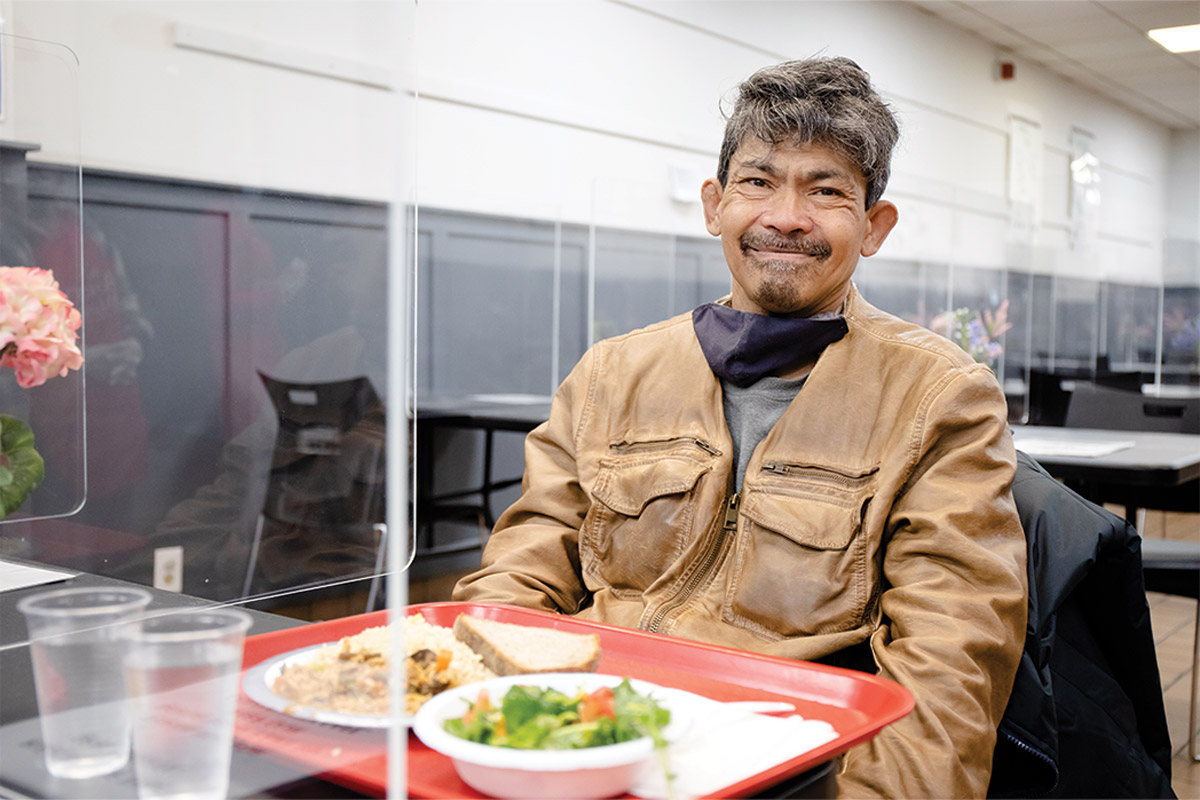
We offer breakfast, lunch and dinner 7 days a week, 365 days a year to anyone in need at our Bowery Campus (227 Bowery).
Breakfast begins at 8 a.m., lunch begins at 1 p.m. and dinner begins at 5:30 p.m. Meals are served for dining indoors. If preferred, to-go meals are still available upon request. No ID required.
Meals are preceded by a short Chapel service an hour before. Attendance is not required to receive a meal. We invite all to come and be fed, both spiritually and physically.
- Need a safe place to sleep at night?
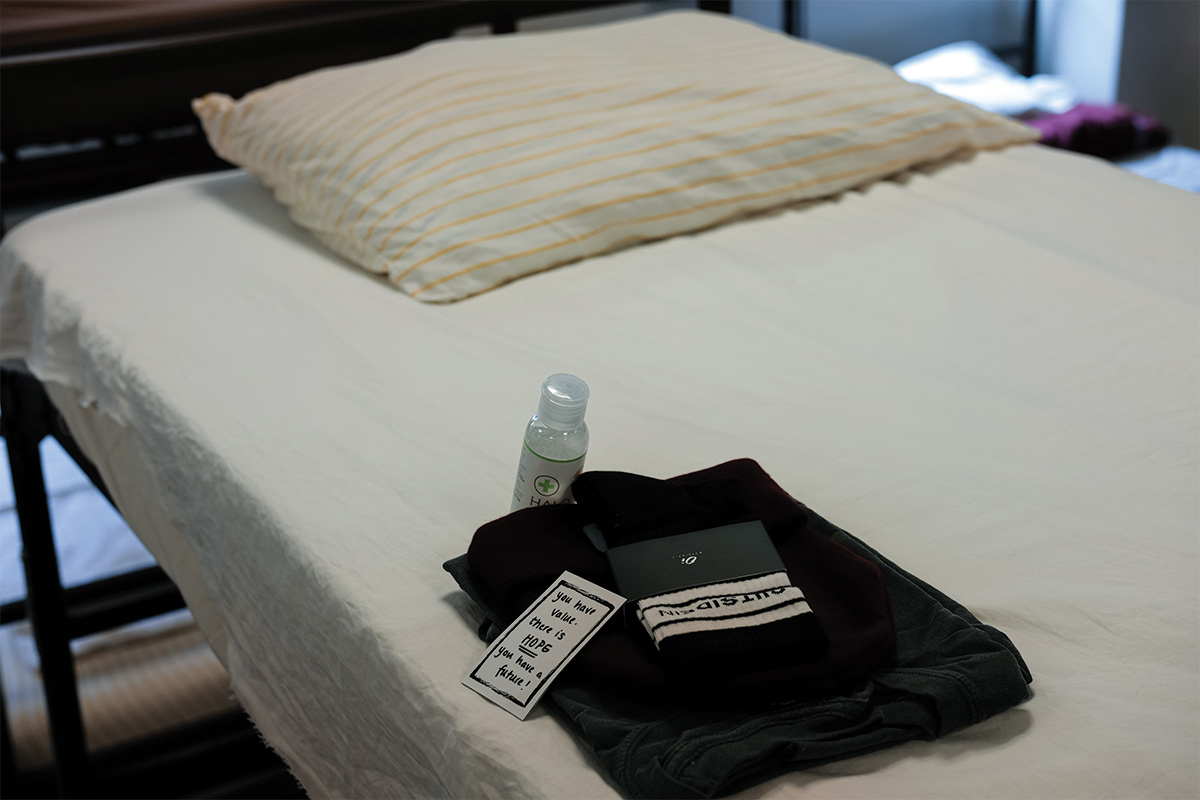
We offer safe, clean shelter for men and women each night.
Safe overnight shelter is offered 7 days a week, 365 days a year at our Tribeca Campus (90 Lafayette St). Intake takes place daily at 3 p.m. for women and 4 p.m. for men.
Guests may stay overnight for up to 7 days. Amenities include:
- daily meals & showers
- clothing closet
- clinical case management
- referrals to medical care, mental health care and detox
- intake for long-term programming
Walk-in or call (212) 226-6214 for more information.
- Looking for a place to shower and get a fresh set of clothes?
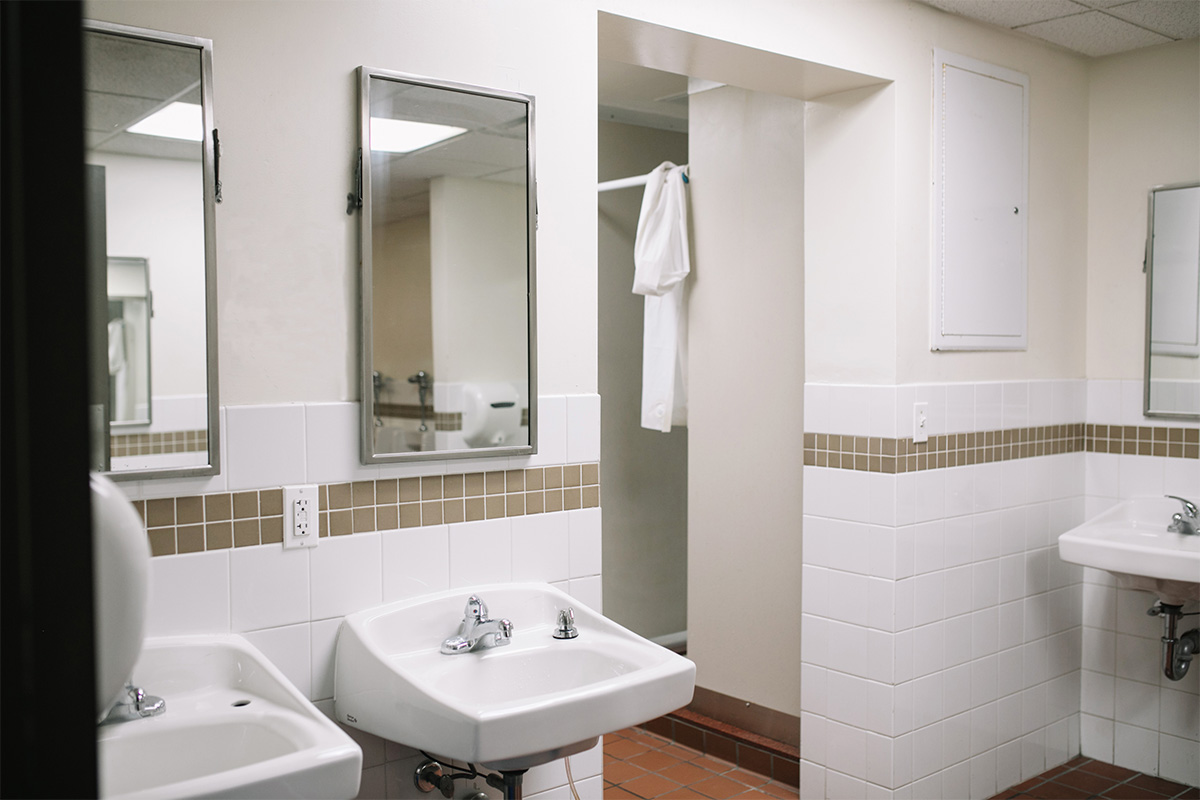
The shower and clothing program at our Bowery Campus (227 Bowery) is offered indoors on a first come, first served basis.
The program takes place on Mondays for first 15 women only and Wednesday - Friday for first 20 men only. Please arrive by 6:30 a.m. for registration. Doors open at 9:30 a.m.
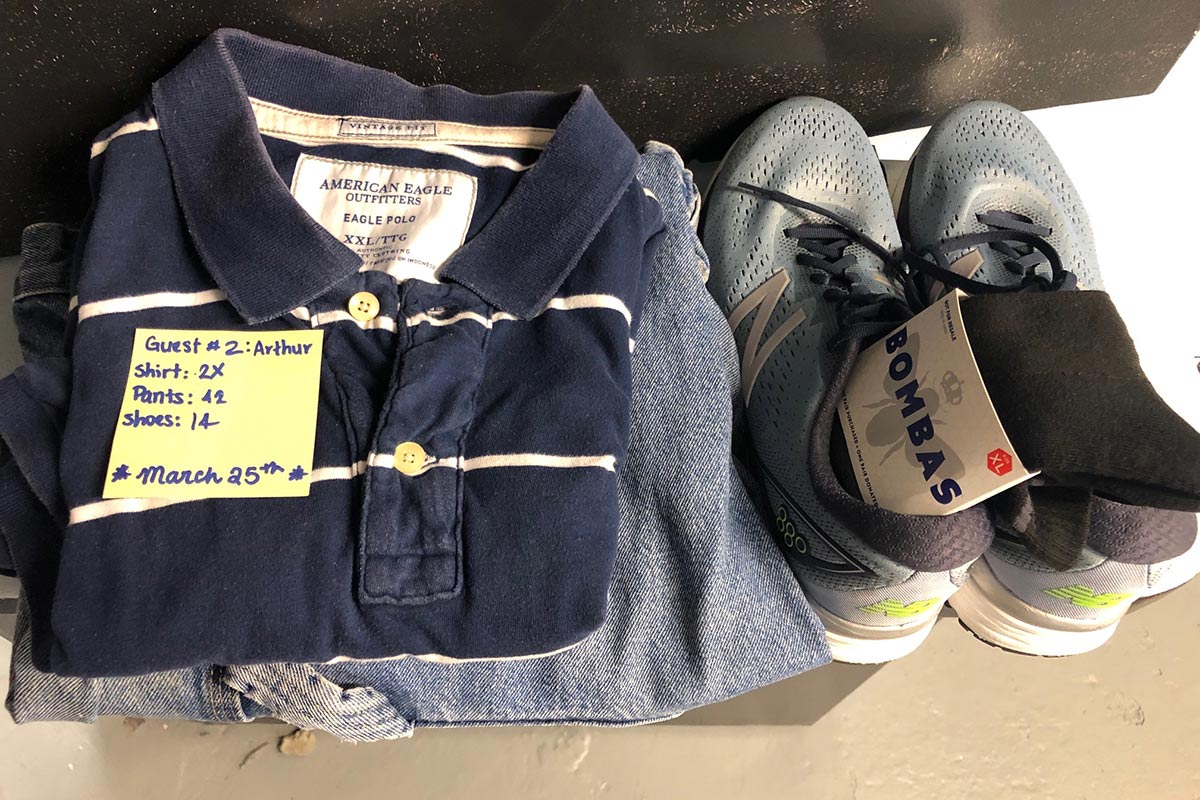
Hygiene items and clean clothing are provided to guests as needed.
- Need free medical care?
We provide medical care through our partnership with Project Renewal.
Our partner, Project Renewal, provides care outside our Bowery campus in a mobile medical van. Care is available on Tuesdays, 9 a.m. - 4 p.m. and Thursdays, 2 - 5 p.m.
All medical care is provided free of charge, regardless of insurance status.
If you or someone you know is experiencing homelessness, we can help. To learn more about our emergency and recovery services, please call us at (212) 226-6214 or send us a message.
I’m Looking to Enroll in a Program
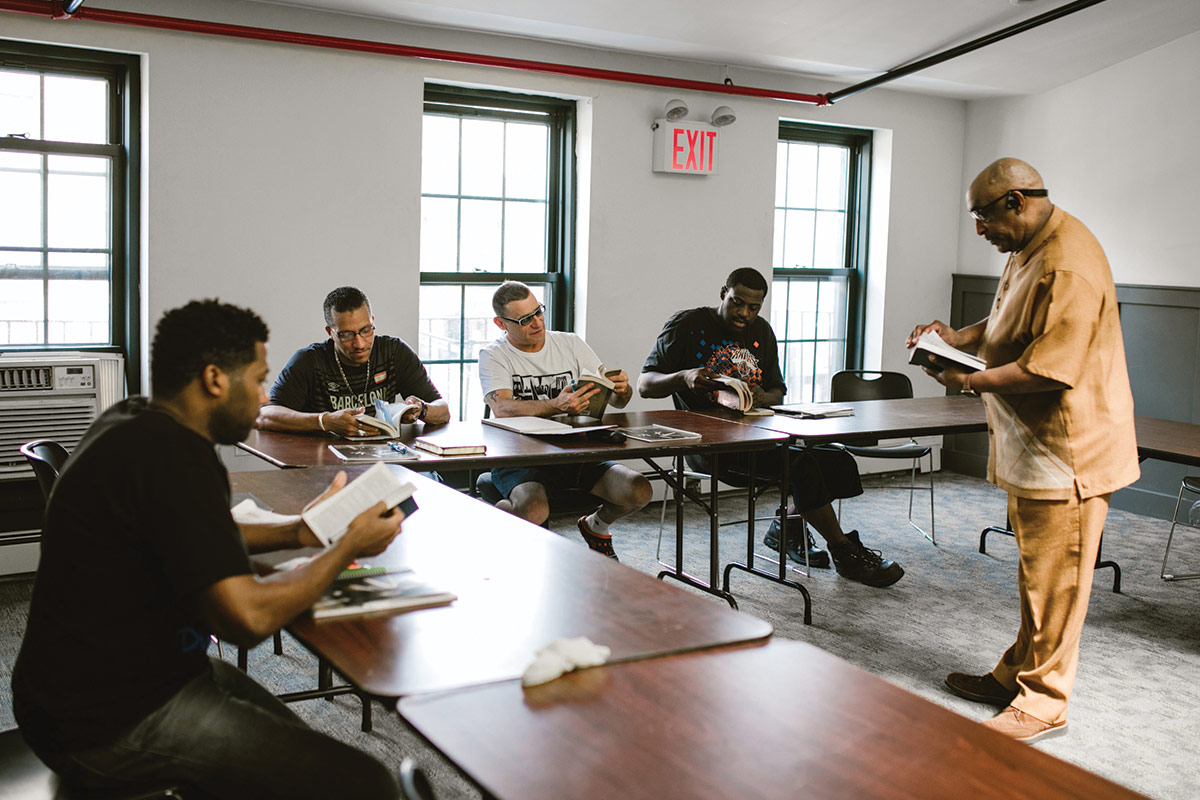
Our faith-based Residential Programs provide a caring and safe environment to achieve personal goals for life and work, heal from past trauma and overcome barriers to independent living.

- Who is a good fit for your Residential Programs?
Our Residential Programs offer comprehensive help and hope for anyone facing difficult circumstances, such as chemical dependency, domestic violence, destructive relationships, unemployment and more.
In partnership with a counselor, clients make progress toward personal goals for meaningful employment, secure housing, emotional wellness, healthy relationships and spiritual growth.
- Where will I stay and what is it like?
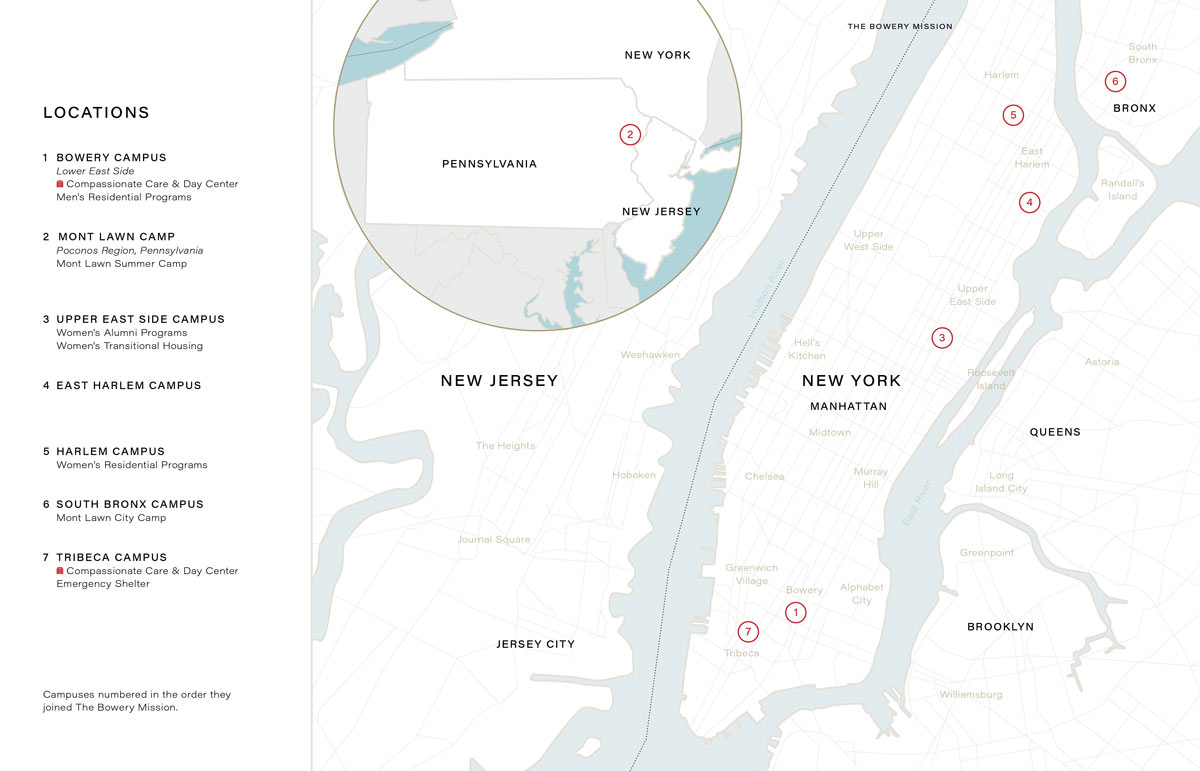
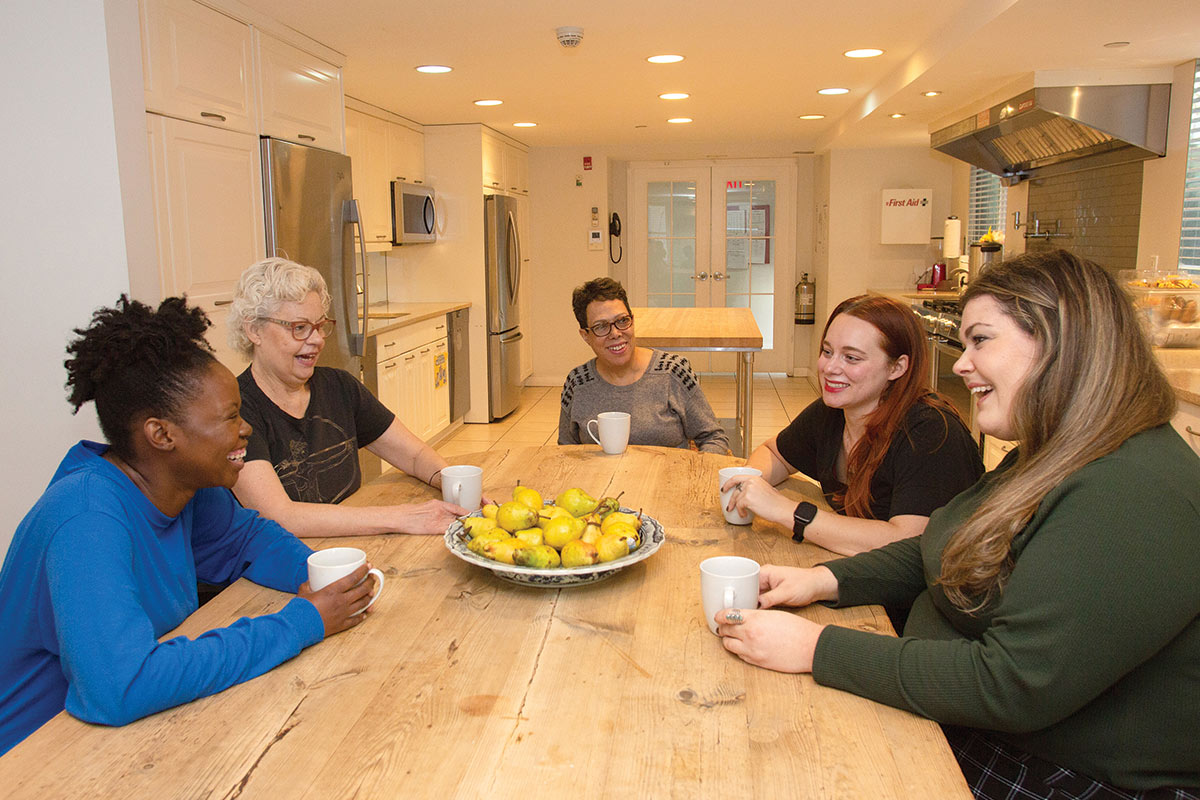
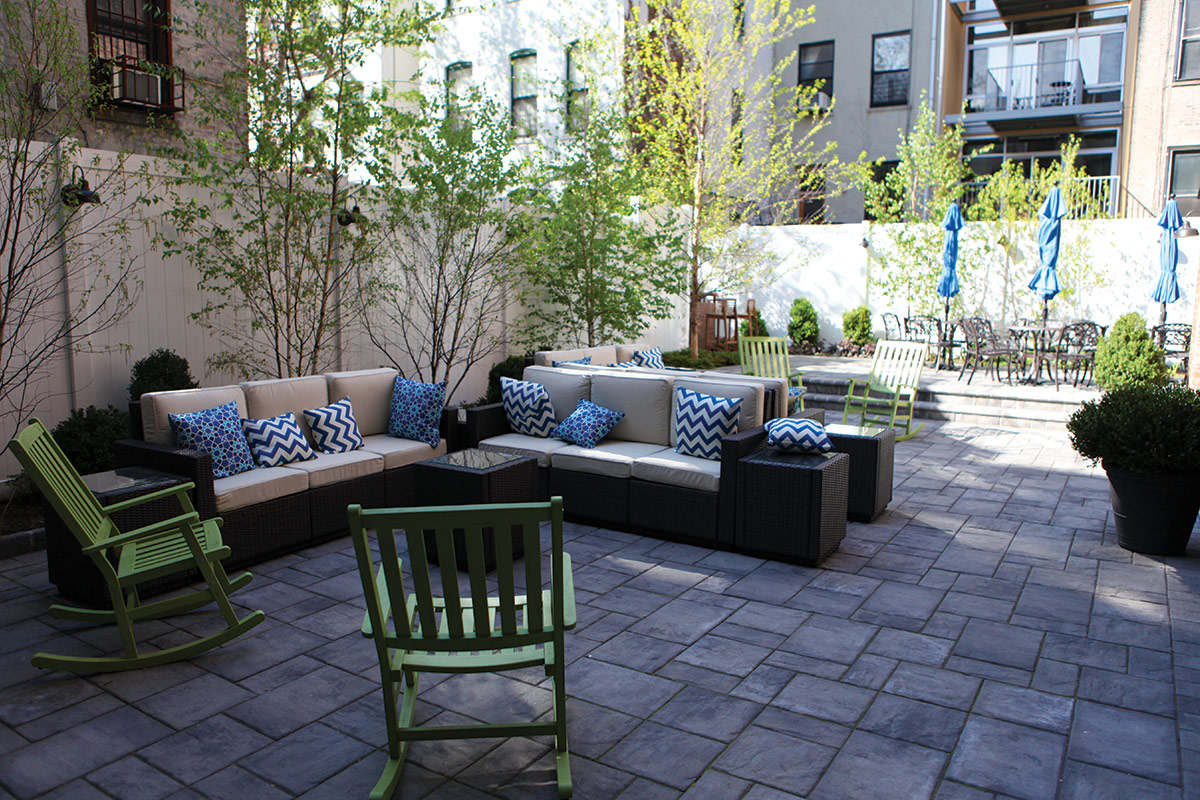
Our home-like residences are located in the Bowery and Harlem neighborhoods of Manhattan. Clients enjoy comfortable sleeping accommodations and access to a shared dining room, recreation room, chapel and computer lab. Residences may also include a fitness area and/or community garden and patio.
All are invited to a community that is committed to practicing hospitality, showing respect, embracing faith and restoring hope.
- What kinds of services do you provide?
Clients access one-stop care, working with our team of social workers, counselors, vocational and housing specialists and chaplains. Our services include:
Wellness & Recovery
- One-on-one and group counseling
- Addiction recovery services
- Medical and psychiatric care (onsite and referrals)
Career & Employment
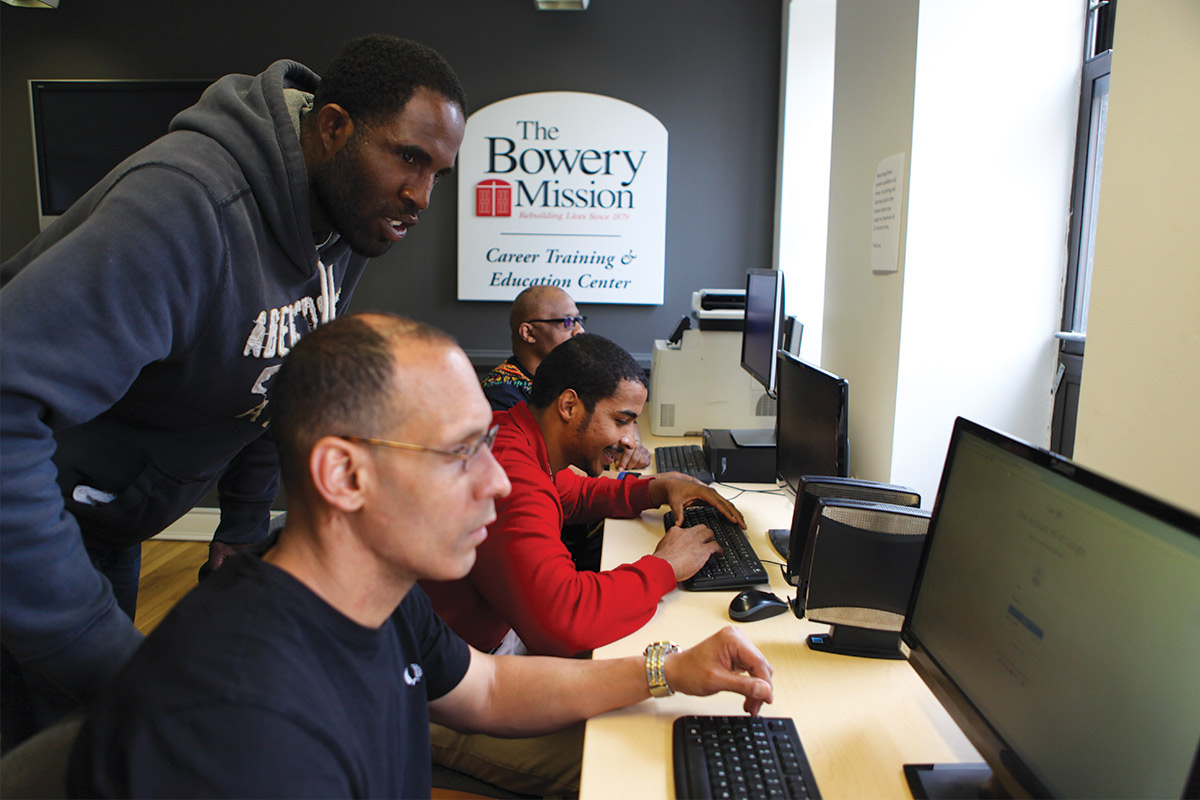
- Job search assistance
- Career coaching and resume support
- Training and tutoring
- Interviewing skills
Practical Life Skills
- Goal setting classes
- Financial management classes
- Alumni support and networking
- Household management skills
Housing Support
- Housing workshops
- Housing search assistance
Spiritual Growth
- Pastoral care
- Chapel services
- Spiritual formation classes
- How can I find out more information or inquire about admissions?
Send us a message or call our team at (212) 226-6214. Or walk into our Bowery Campus (227 Bowery) and talk to one of our Ambassadors:
- Monday, Wednesday, Thursday, Friday: 12 – 1 p.m. & 2 – 3 p.m.
- Tuesday: 9:30 a.m. – 12 p.m. & 2 - 3 p.m.
Resource Cards
Use these cards for a quick and easy reference of The Bowery Mission's Compassionate Care services and Residential Programs.
Download Resource Card
Where You Can Find Help